Public Health Shifts Following Legalized Sports Betting After the 2018 Murphy Ruling
Theo Walter · Aug 18, 2026

Public Health Shifts Following Legalized Sports Betting After the 2018 Murphy Ruling
The 2018 Supreme Court decision in Murphy v. National Collegiate Athletic Association ended the federal prohibition on sports betting and opened the door for states to legalize the activity on their own terms, and since then 39 states plus the District of Columbia have moved forward with some form of regulated wagering. Observers note that the ruling shifted oversight from a nationwide ban to a patchwork of state policies, and data collected in the years afterward shows measurable changes in public health indicators tied to increased access. Researchers tracking these developments point to rises in gambling disorder diagnoses, loan defaults, and reports of intimate partner violence in jurisdictions that adopted legalization, while patterns continue to evolve into 2026.
Expansion of Legal Markets and Initial Outcomes
Following the Murphy decision states began authorizing retail and online sportsbooks at varying speeds, and by mid-2026 the majority of the country operated under some regulatory framework that permitted wagers on professional and collegiate events. Data from state regulators indicates steady growth in handle and participation, and this expansion coincided with broader availability through mobile apps and in-person locations. Those who have examined the timeline note that early adopters such as New Jersey and Pennsylvania established licensing systems quickly, whereas other states took longer to finalize rules and launch operations, and the staggered rollout created opportunities for comparative studies across different policy environments.
Documented Increases in Gambling Disorder Diagnoses
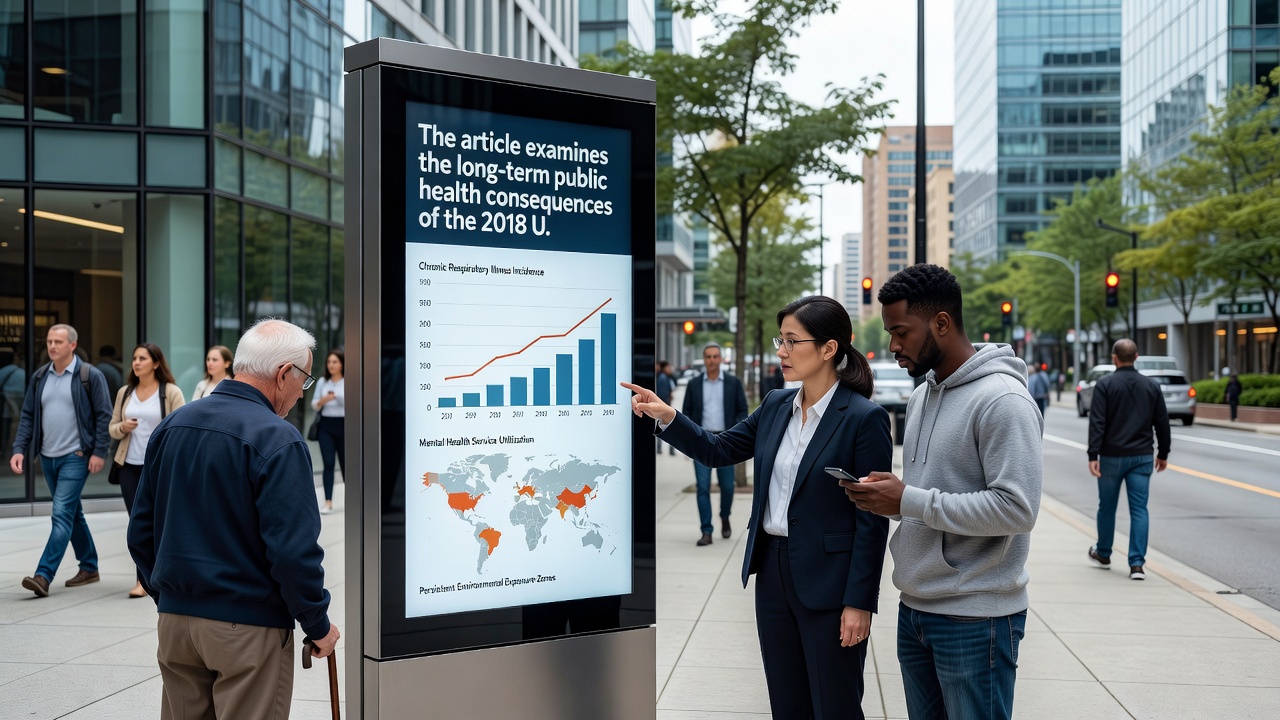
A June 2026 study examined medical claims data from multiple states and found that diagnoses of gambling disorder rose by more than 60 percent in jurisdictions that legalized sports betting compared with those that maintained restrictions. The analysis covered several years after legalization and tracked patterns among adults who sought treatment or received related diagnoses through health care providers. Researchers involved in the project linked the increase to greater exposure through advertising and easy digital access, and they noted that the trend appeared consistent across different demographic groups once legalization occurred. The study, available through Epic Research, provides one of the clearest quantitative measures of diagnostic changes since the Murphy ruling took effect.
Connections to Financial Strain and Loan Defaults
Additional research has examined links between legalized sports betting and financial outcomes, and evidence shows elevated rates of loan defaults in states with active markets. Analysts reviewed credit and banking records alongside wagering participation data, and they identified correlations between increased betting activity and missed payments on consumer loans. The findings suggest that some individuals who engage heavily experience cash-flow disruptions that extend beyond typical recreational spending, and these disruptions appear more pronounced in regions where mobile betting is widely available. Observers tracking these patterns emphasize that the data reflect aggregate trends rather than individual causation in every case.
Reported Changes in Intimate Partner Violence
Studies have also explored associations between expanded sports betting and incidents of intimate partner violence, and several analyses indicate higher reporting rates in legalized states during periods of heightened wagering. Public health researchers reviewed police and hospital records and found that the timing of increases aligned with major betting events and overall market growth, and they noted that financial stress and emotional volatility often appear as contributing factors in the documented cases. These observations build on earlier work that connected problem gambling to domestic conflict, and the post-Murphy data adds longitudinal evidence from a larger number of jurisdictions.
Ongoing Monitoring as of August 2026
As of August 2026 state health departments and academic teams continue to collect information on gambling-related harms, and preliminary figures suggest that diagnostic and financial indicators have not returned to pre-legalization levels in most active markets. Public health officials in several states have begun integrating screening questions about sports betting into routine medical visits, and some regulatory bodies have adjusted advertising rules in response to the observed trends. The cumulative record shows that legalization produced both new revenue streams and measurable public health costs, and those costs remain the subject of active study and policy discussion.
Conclusion
The Murphy decision reshaped the regulatory landscape for sports betting, and the resulting state-level expansions produced documented rises in gambling disorder diagnoses, loan defaults, and intimate partner violence according to multiple research efforts. The June 2026 findings on diagnostic increases, along with parallel data on financial and relational impacts, illustrate the long-term consequences that have emerged since 2018. Continued tracking through 2026 and beyond will provide further clarity on how these patterns develop under different state frameworks.